The Sacraments
God meets us in the physical world. Through the simple, earthy elements of the sacraments—water, oil, bread, and wine—Jesus makes His grace tangible. These are not mere rituals, but real encounters with Christ. From Baptism’s new life to the Eucharist’s spiritual food, the sacraments weave God’s strength and healing into our daily journey, assuring us that in every season, we never walk alone.
Why Does God Use Sacraments?
God uses sacraments because He knows the language of our human hearts. We are physical beings, designed to connect through what we can see and touch. When God chose to reveal His love most perfectly, He did not stay distant; He became human in Jesus. He walked our earth, using real hands to heal and a real voice to teach, meeting people in the dust of their daily lives.
The sacraments are the enduring bridge of this reality. They are the way Christ continues to walk with us today. The Catechism of the Catholic Church defines them as "efficacious signs of grace, instituted by Christ and entrusted to the Church, by which divine life is dispensed to us" (CCC 1131).
This means that through the waters of Baptism or the sharing of the Eucharist, our Lord is still at work. He acts through the physical signs and sacred rituals of His Church to touch our souls. As the Catechism teaches, these are not empty gestures, but "the masterworks of God" in the new and everlasting covenant (CCC 1116).
The Sacraments of Initiation
These three sacraments are the steps by which we enter into full communion with the Church. They lay the foundations of every Christian life, welcoming us into God's family and equipping us with His Spirit for the journey ahead.
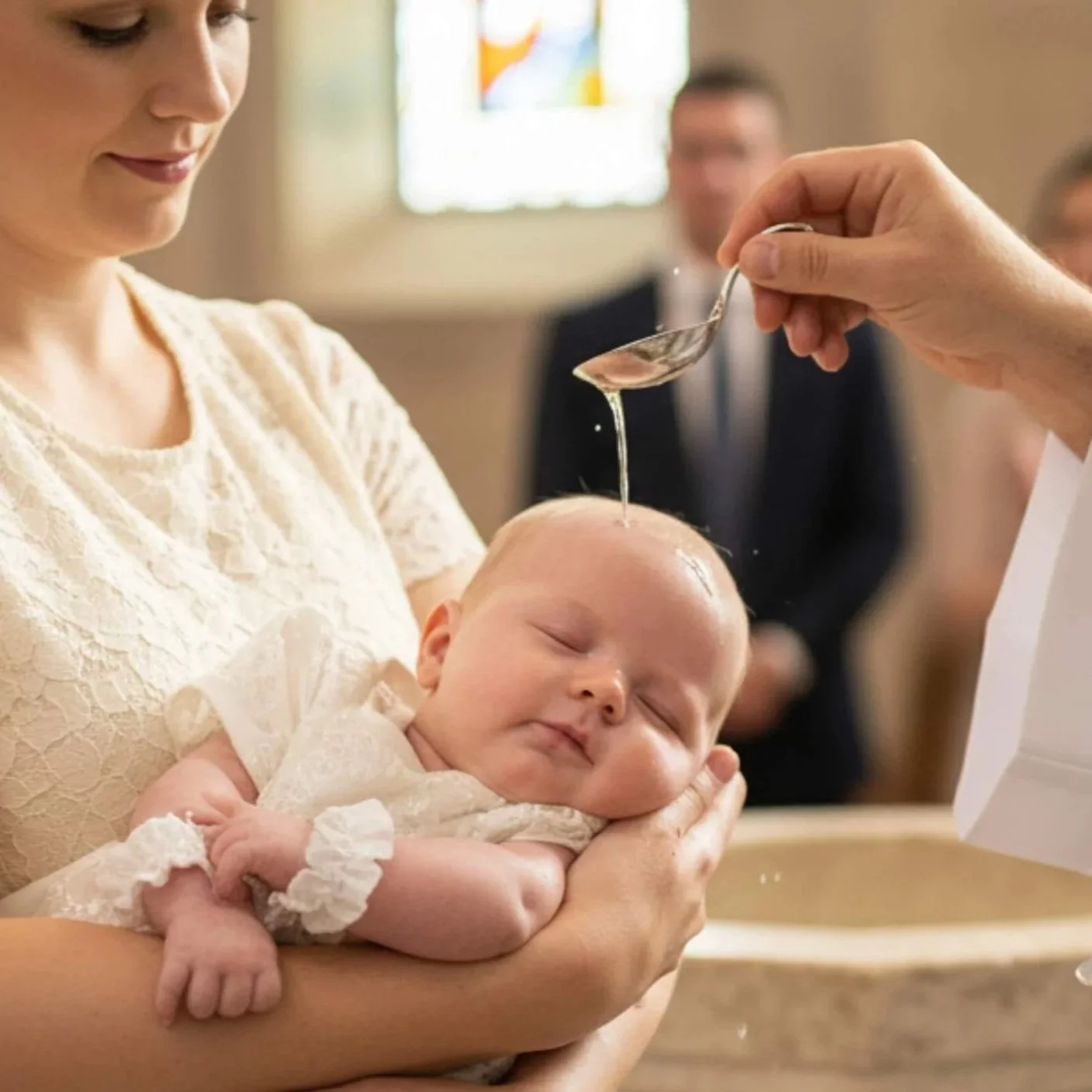
Baptism
The Gateway to New Life
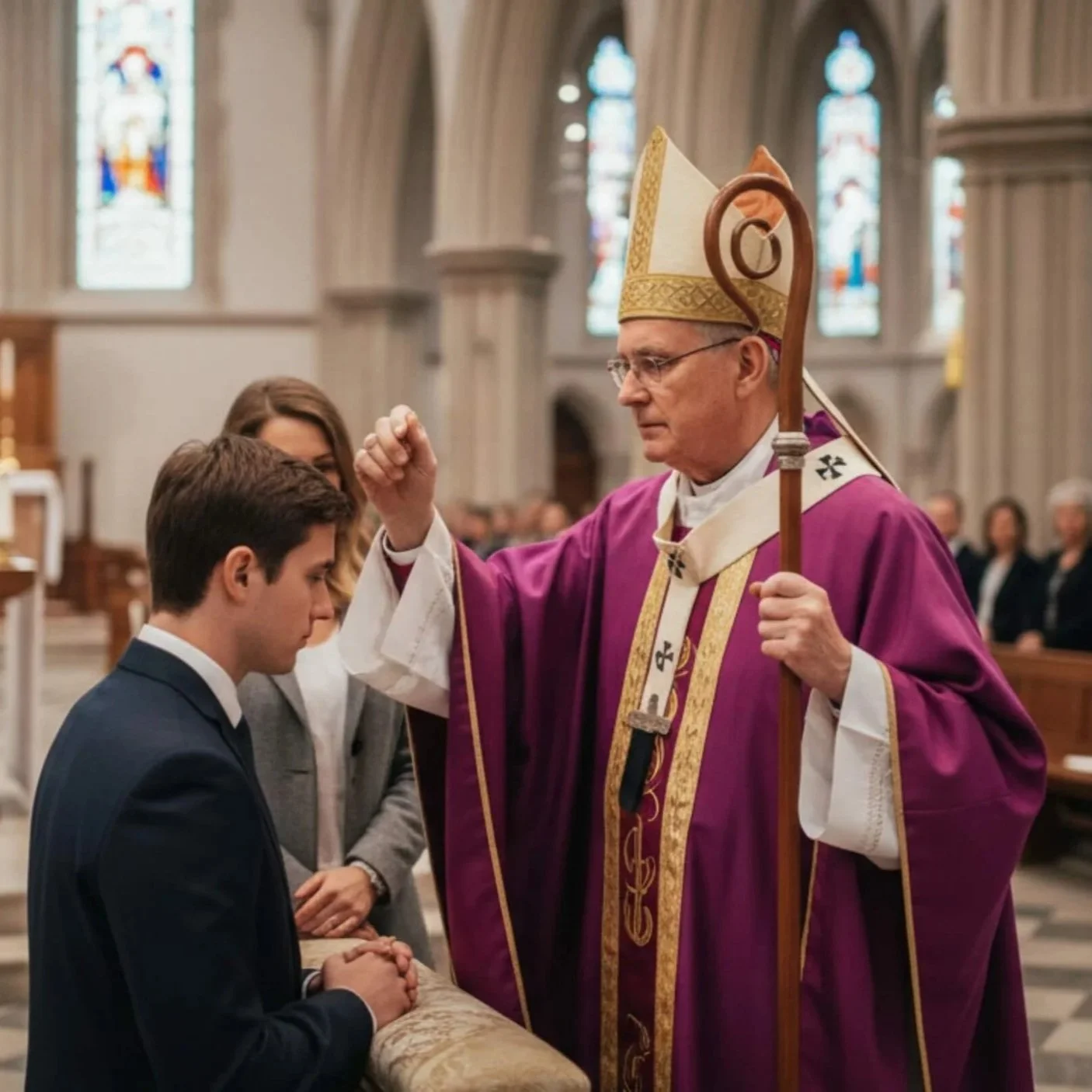
Confirmation
Sealed with the Spirit
Receive the fullness of the Holy Spirit to live as a witness for Christ.→
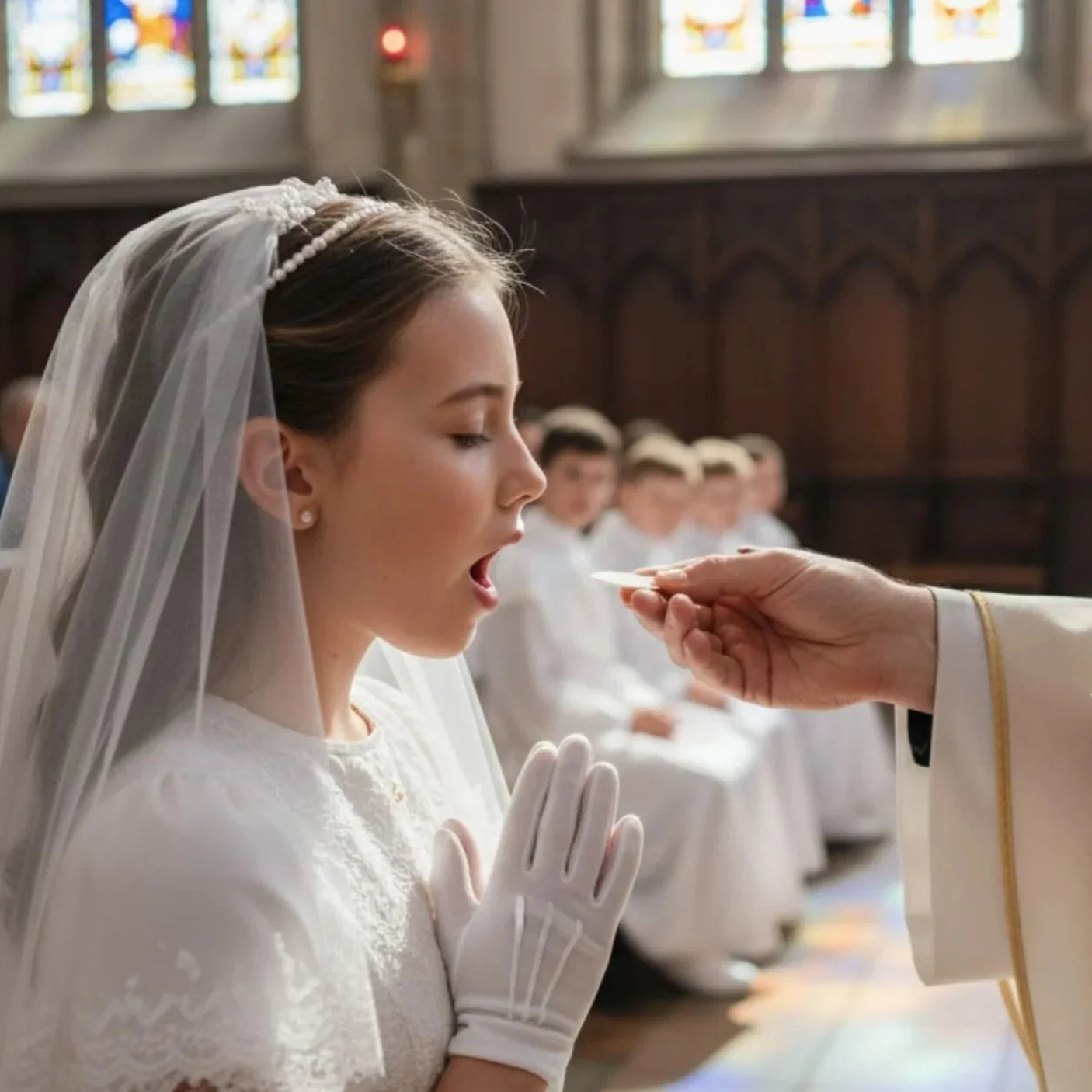
The Eucharist
Food for the Journey
Receive the Body and Blood of Christ, the source and summit of our faith.→
The Sacraments of Healing
Christ came to heal the whole person—body and soul. In these sacraments, the Lord touches our brokenness with His mercy, forgives our sins, and restores us to peace and spiritual health.
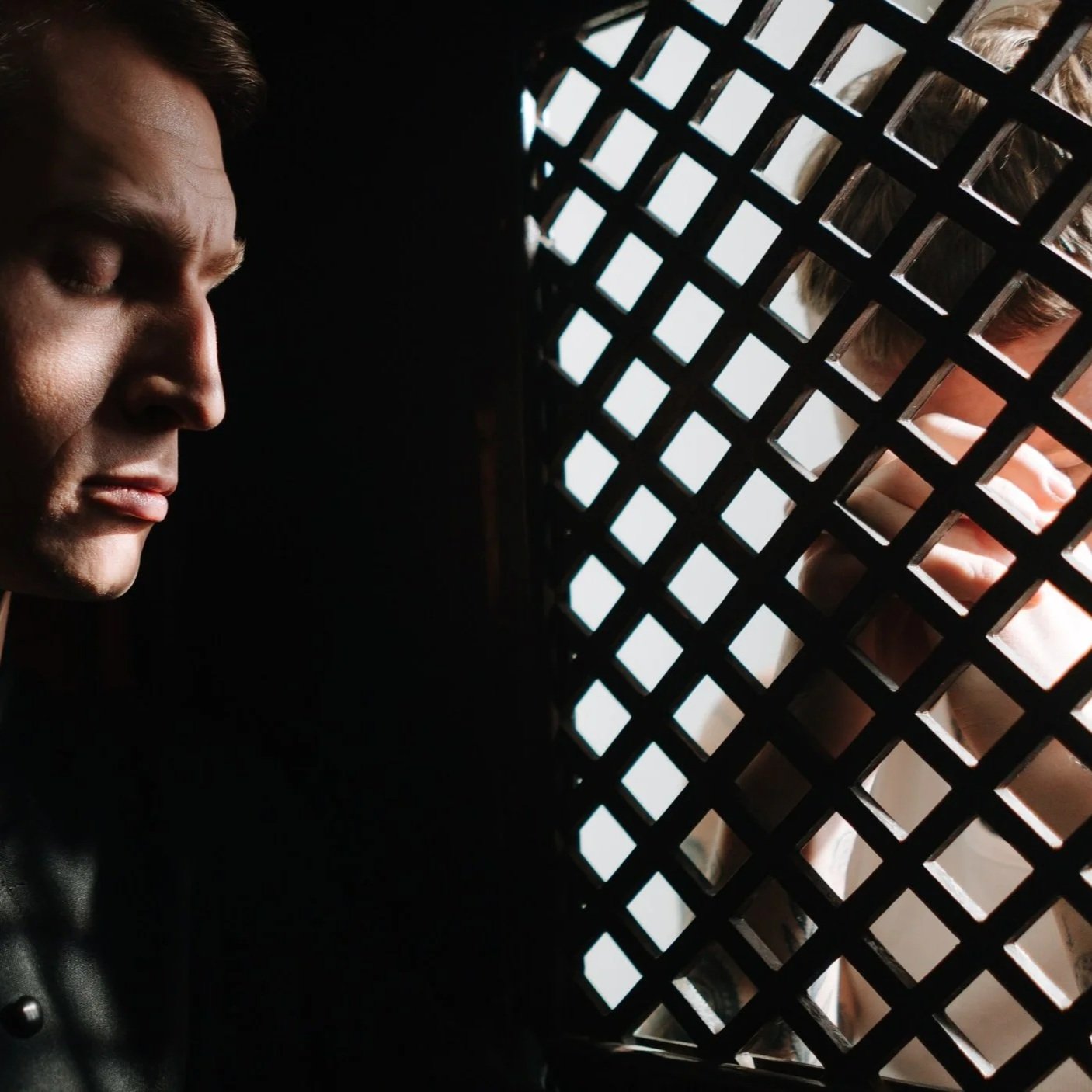
Reconciliation
Finding Forgiveness
Encounter God’s limitless mercy and the grace of a fresh start.→
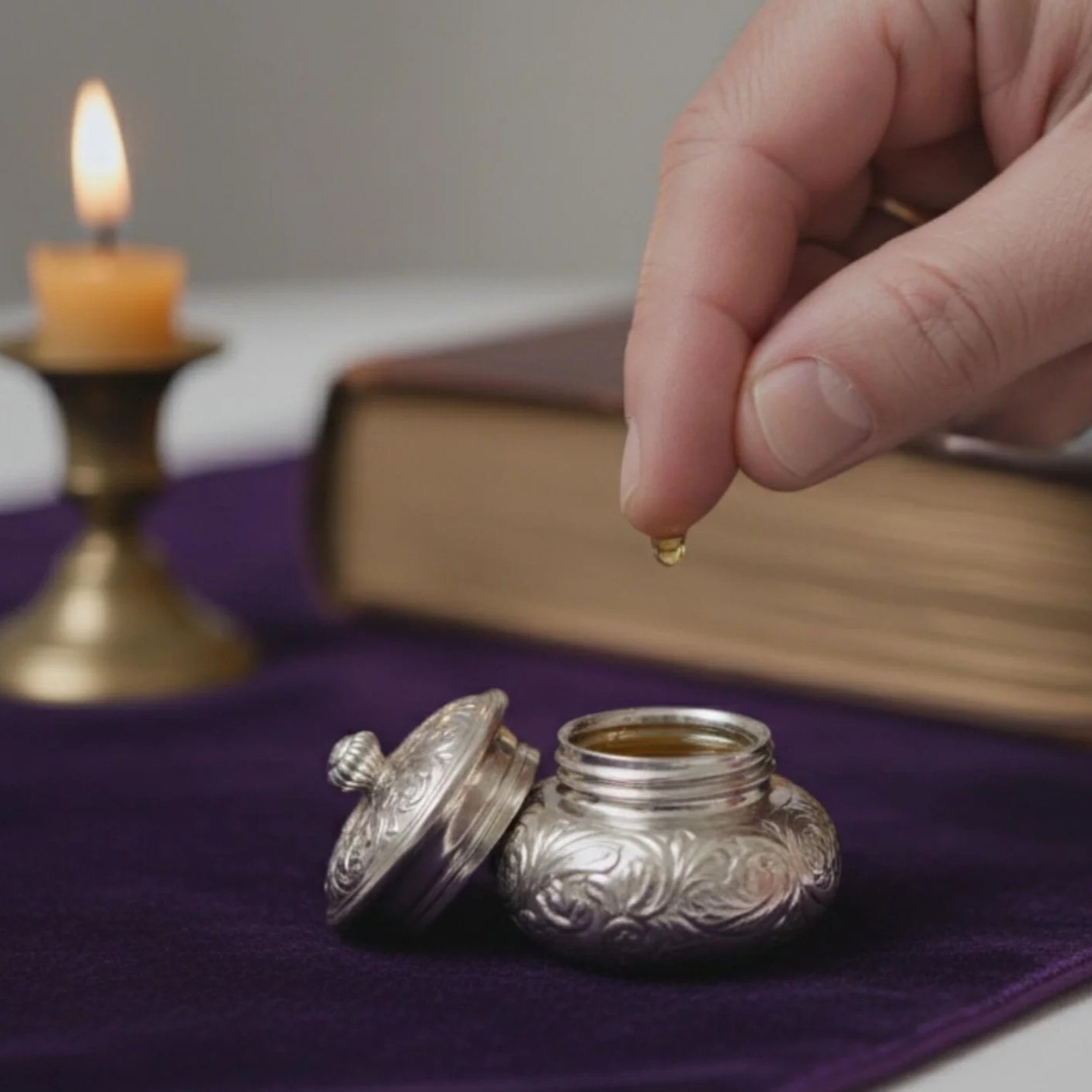
Anointing of the Sick
The Sacraments of Service
Building the Kingdom God calls each of us to a specific mission of love. These sacraments consecrate the faithful to serve the community, building up the Body of Christ through the family and the priesthood.

Matrimony
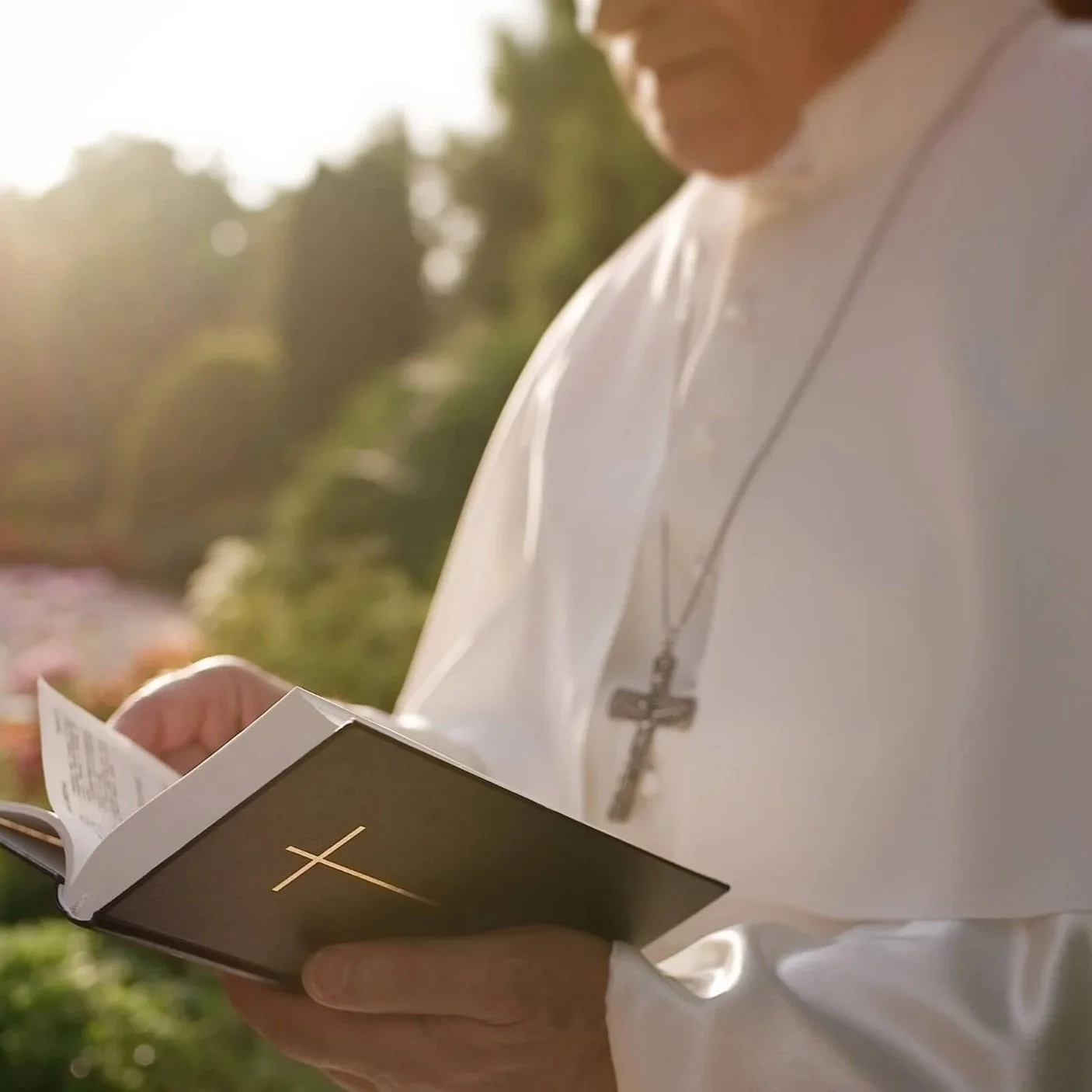
Holy Orders
A Life of Service
Answer the call to shepherd God’s people as a deacon or priest.→
The Defining Characteristics of a Sacrament
Instituted by Christ
The sacraments are not rituals invented by the Church. They are a sacred inheritance, given to us directly by Jesus Himself. He is their source and foundation. We see this in the Gospels: when He sent His apostles to baptize all nations (Matthew 28:19), when He commanded them to "do this in memory of me" at the Last Supper (Luke 22:19), and when He breathed the power to forgive sins upon them (John 20:23). As the Catechism teaches, the sacraments are "powers that come forth from the Body of Christ" (CCC 1116), established by Him to share His life with us forever.
An Outward Sign
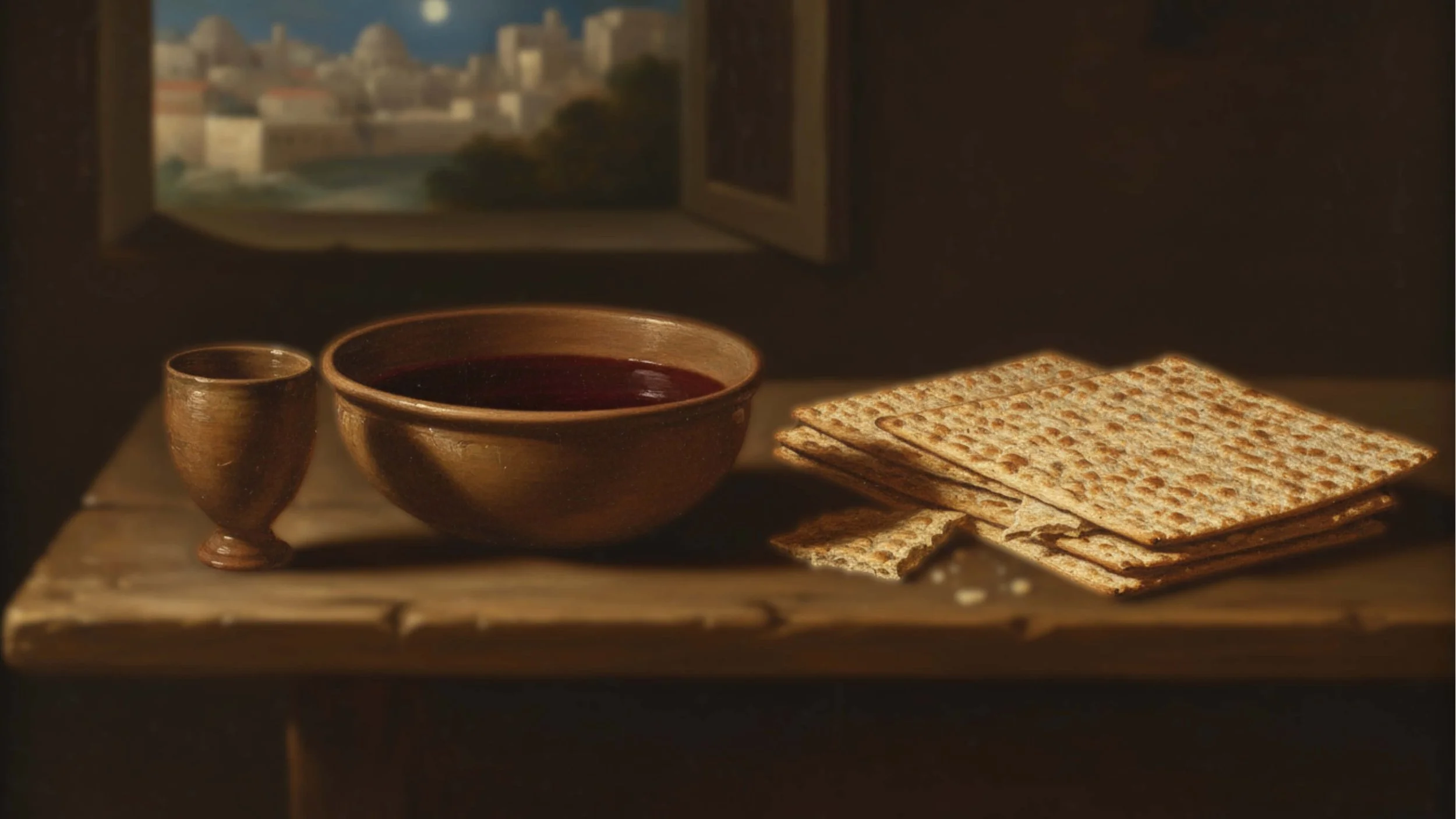
God meets us right where we are—in our physical, sensory world. He knows that as humans, we understand truth through what we can see, touch, and hear. This is why every sacrament has a tangible part. God uses the simple, earthy elements of His creation—water, oil, bread, and wine—to reveal His love. These are the "perceptible signs" (CCC 1084) that point our hearts toward the invisible reality of what God is doing. Just as Christ healed the blind man with mud and spittle (John 9:6), He continues to use the physical world to communicate His spiritual grace.
A Channel of Grace
This is the powerful heart of a sacrament. It is not merely a symbol; it is a real and effective act of God. A sacrament causes the very thing it signifies. The water of Baptism does not just remind us of washing; it truly cleanses the soul and makes us a "new creation" (2 Corinthians 5:17). The sacraments are "efficacious signs" (CCC 1131), meaning that in them, Christ Himself is at work. They are His chosen, guaranteed channels to pour His divine life—His grace—directly into our souls, making us "partakers of the divine nature" (2 Peter 1:4).
A Final Thought
The sacraments mark the pivotal moments of our Christian journey, providing the rhythm of God’s grace in our daily lives. Through these holy signs, Christ Himself is present to us—healing our wounds, forgiving our sins, and uniting us to His Church. They are God’s constant assurance of strength and guidance as we make our way home to Him.