Matrimony
A Covenant of Love
"So they are no longer two, but one flesh. Therefore what God has joined together, no human being must separate." — Gospel of Mark 10:8-9
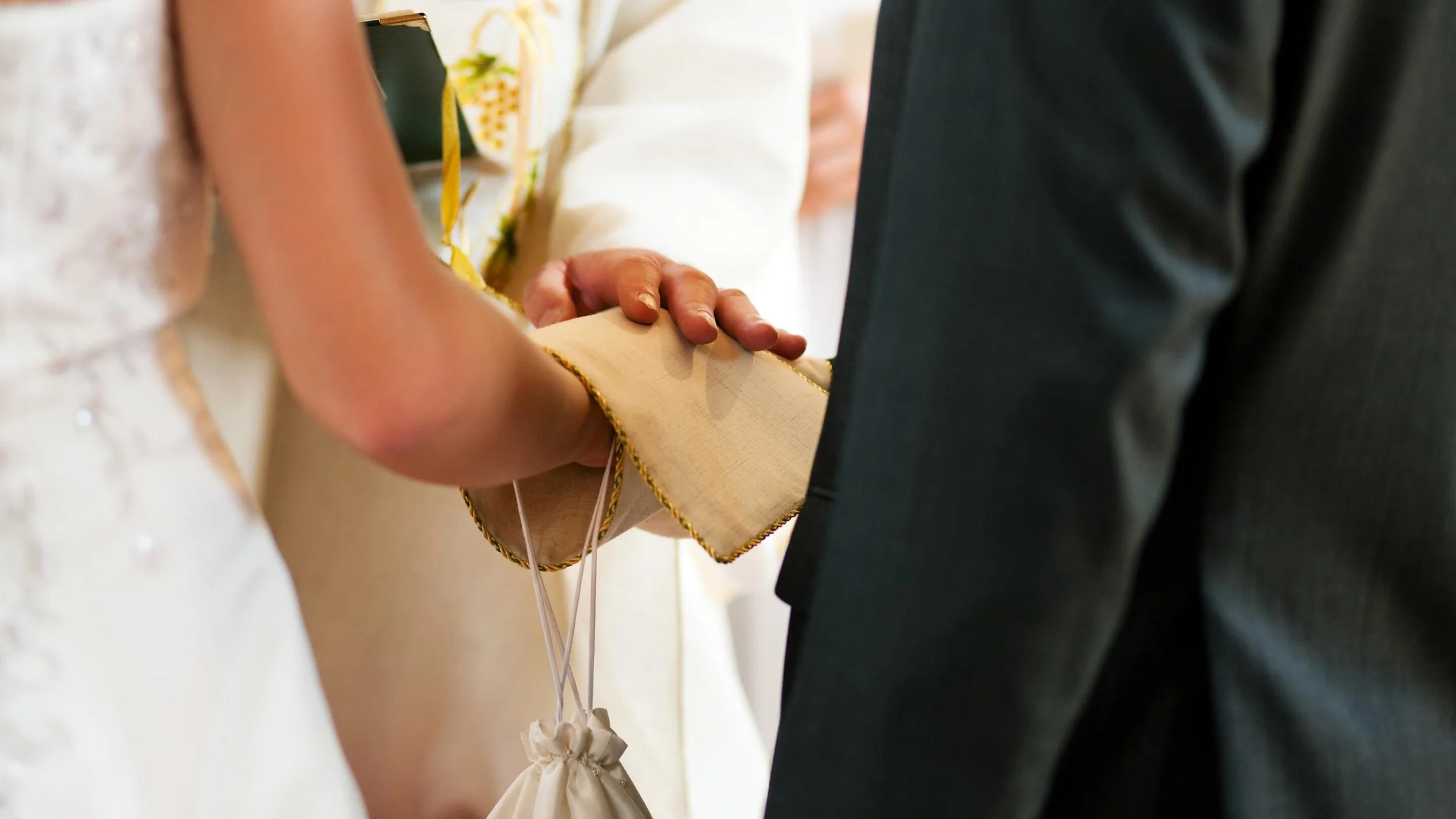
The Sacrament of Marriage is a visible sign of God’s love for the Church. When a man and a woman enter into this covenant, they are not just making a contract; they are forming an unbreakable bond of unity that mirrors the Trinity itself. As the Catechism teaches, the Christian family is a "communion of persons," reflecting the relationship of the Father, Son, and Holy Spirit (CCC 2205).
In this sacrament, spouses receive the grace to love each other with the same self-sacrificing love with which Christ loves His Church. This grace perfects their human love, strengthens their indissoluble unity, and sanctifies them on the way to eternal life (CCC 1661).
The Signs & Symbols
The rite of marriage uses visible signs to express the invisible reality of the couple’s covenant.
The Consent (Vows): The heart of the sacrament. Unlike other sacraments, the spouses are the ministers of Matrimony; they confer the sacrament upon each other by their free and mutual exchange of vows.
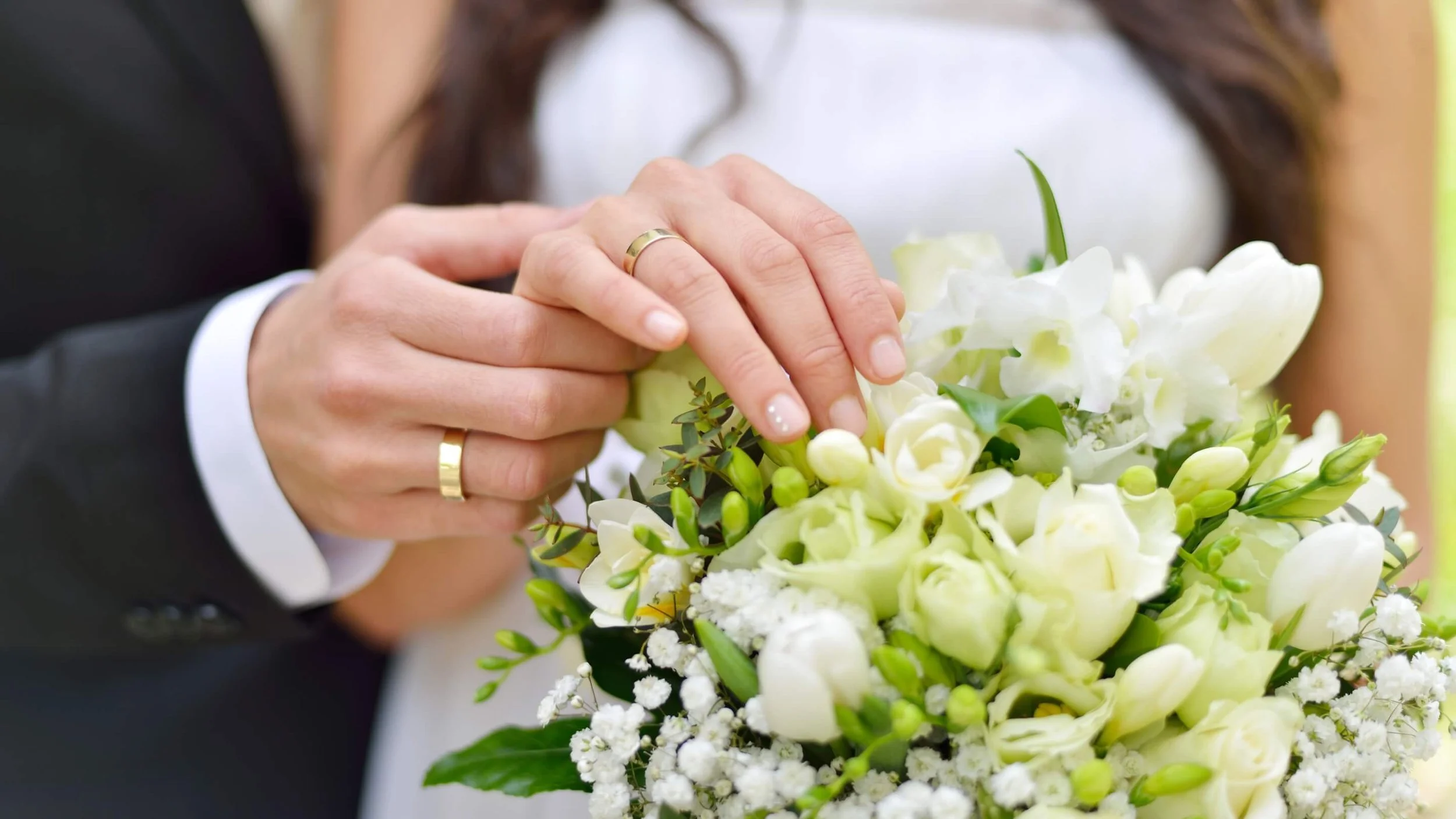
The Rings: Circles with no beginning and no end, the rings are a visible sign of the couple’s love and fidelity which will remain unbroken.
The Nuptial Blessing: A solemn prayer invoked over the new couple, asking for the Holy Spirit to descend upon them, seal their covenant, and grant them the grace to be faithful and fruitful.
Receiving the Sacrament
Congratulations on your engagement! We are honored that you wish to begin your married life at St. Anthony’s or Our Lady of Perpetual Help. Because marriage is a lifelong vocation that models Christ’s love, the Church takes the preparation process seriously.
Steps to Follow
Couples should be registered members of the parish. If you are new to the community, please register with us before beginning the process.
- Contact the Office: Please contact the Parish Office at (210) 635-8539 at least six months prior to your desired wedding date.
- Initial Meeting: You will meet with the priest or deacon to discuss your freedom to marry and to begin the preparation journey. Please do not set a firm date with a reception venue until you have met with the priest.
- Marriage Preparation: Couples will participate in a marriage preparation program (often called Pre-Cana) to reflect on the spiritual and practical aspects of married life.
Documents to Gather
Before your wedding file can be completed, you will need to provide several important documents:
- Baptismal Certificates: A newly issued copy (dated within the last 6 months) from the parish where you were baptized.
- Confirmation Certificates: Proof that you have received the Sacrament of Confirmation.
- Civil Marriage License: Obtained from the County Clerk’s office (valid for 90 days).
- Witness Affidavits: Forms filled out by witnesses testifying to your freedom to marry.
Prior Marriages & Annulments
The Church teaches that a valid marriage is a bond that lasts "until death do us part." If either party has been married before (civilly or religiously), and the former spouse is still living, that prior bond must be examined by the Church Tribunal before a new marriage can take place.
Process: This process, often called an annulment, determines if the previous union was a sacramental marriage.
Timing: No wedding date can be set until this process is complete. Please discuss this with the priest immediately during your first meeting.
Frequently Asked Questions
-
Marriage is a lifelong, sacred covenant and a sacrament. The preparation period is a gift of time for the couple to prayerfully discern and prepare for this serious and joyful vocation. It ensures they understand the promises they are about to make and are ready for the challenges and graces of married life (CCC, 1632).
-
A Catholic wedding is a sacrament and a public act of worship, so it normally takes place in the sacred space of the parish church. The church building itself is a sign of the community that will support the couple and the place where they will be spiritually nourished by the Eucharist throughout their married life. Exceptions are very rare and require the bishop's permission.
-
An annulment is not a "Catholic divorce." It is a declaration by the Church that a valid sacramental marriage never existed from the beginning due to an impediment or a defect of consent (e.g., a lack of freedom, an inability to assume the essential obligations of marriage). It does not deny that a civil union existed or claim that children from that union are illegitimate (CCC, 1629).
Ask Us About It
For inquiries about the Sacrament of Martimony at Saint Ambrose Barlow, please use this form.
A Final Thought
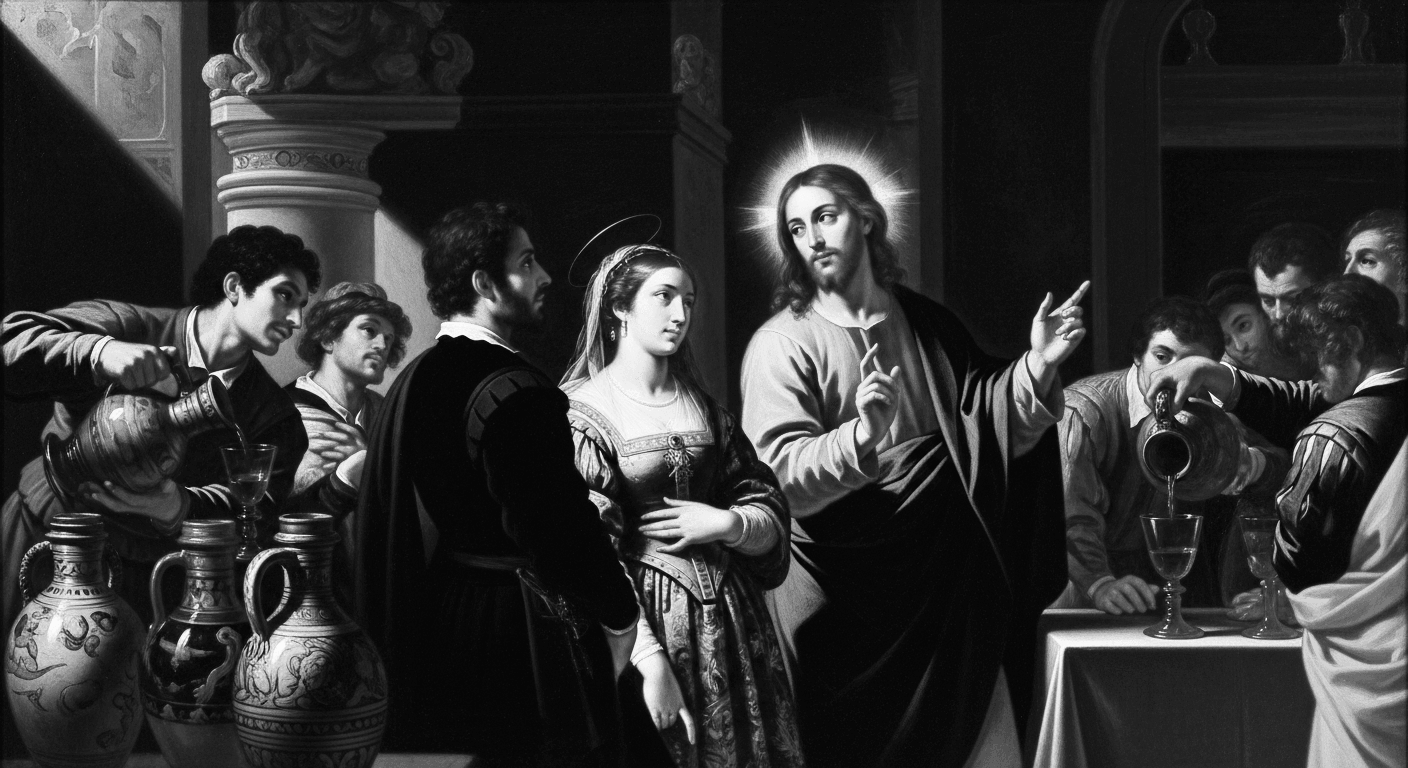
Your wedding day is the beautiful beginning of a lifelong adventure together. In the Sacrament of Matrimony, you do not walk alone. Christ walks with you, offering the grace you need to build a home filled with faith, a love that is faithful and fruitful, and a bond that serves as a luminous sign of His presence in the world.