Penance

The Healing Power of Forgiveness
The Sacrament of Penance (also Reconciliation or Confession) is a Catholic sacrament where baptized individuals confess sins, express sorrow (contrition), receive absolution (forgiveness) from a priest, and perform a penance (satisfaction) to repair the damage and be reconciled with God and the Church. It's a moment of healing and grace, allowing for forgiveness of sins committed after baptism, restoring friendship with God, and reaffirming commitment to live a new life.
The Church Teaches
Definition & Purpose
The Sacrament of Penance is the method by which sins committed after Baptism are forgiven. Its primary goal is a dual reconciliation:
Restoring our relationship with God.
Restoring our relationship with the Church.
The Four Steps of the Sacrament
The text outlines a journey of the heart involving four distinct stages:
Contrition: Feeling sorrow for sins and a genuine "conversion of heart" to change.
Confession: Verbalizing sins and human sinfulness to a priest.
Absolution: Receiving and accepting forgiveness from God.
Satisfaction (Living the Life): Celebrating God’s love and committing to live out a Christian life.
Understanding the Gravity of Sin
Sin is not just a rule-breaking action; it causes profound spiritual damage.
Who it hurts: It wounds God's honor, the sinner's dignity, and the spiritual well-being of the Church.
Dimensions of Sin: A mature examination of conscience looks at:
Thoughts, actions, and omissions.
Patterns of behavior.
Participation in wider "sinful systems."
"To the eyes of faith no evil is graver than sin and nothing has worse consequences for the sinners themselves, for the Church, and for the whole world." (CCC 1487, 1488)
The Role of the Priest
Authority: Only ordained priests have the faculty to absolve sins.
Agency: The priest acts with the authority of the Church in the name of Jesus Christ.
Mechanism: While the priest is the minister, it is God who forgives.
Spiritual Effects of Reconciliation
When a penitent approaches the sacrament with a contrite heart, the spiritual fruits are abundant (CCC 1496):
Restoration: Recovery of sanctifying grace and reconciliation with God and the Church.
Remission of Punishment:
Remission of eternal punishment incurred by mortal sins.
Partial remission of temporal punishments resulting from sin.
Inner Healing: Peace, serenity of conscience, and spiritual consolation.
Empowerment: An increase of spiritual strength for the ongoing "Christian battle."
Confession at Saint Anthony
Saturday 4:00 pm til 4:45 pm, before the 5:00 Mass
First Confession for Children
Preparation for First Reconciliation is part of the two-year program for children preparing for First Holy Communion. Please contact our Director of Faith Formation for more information.
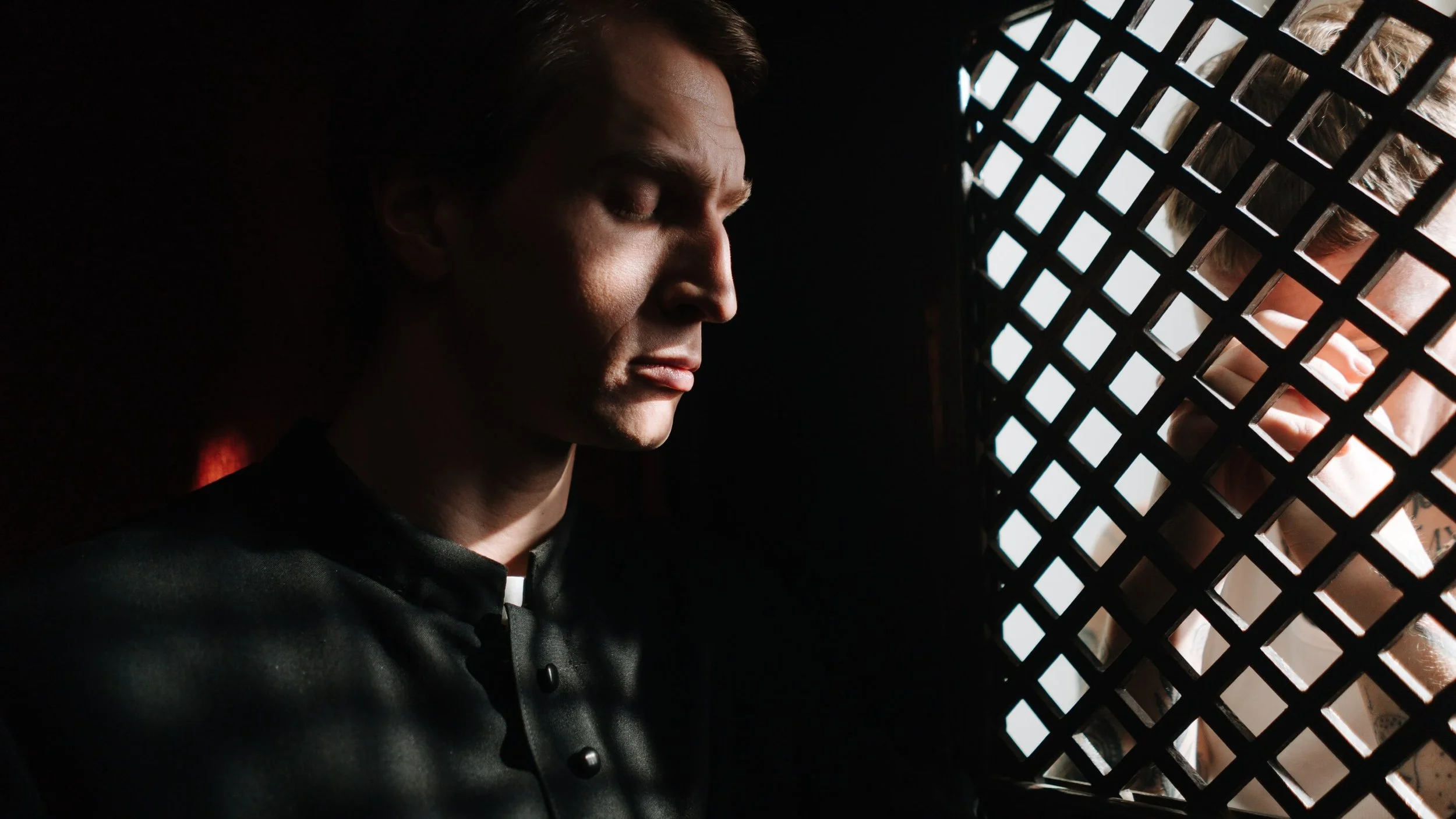
Preparing For a Good Confession
If it's been a while, don't worry. The priest is there to help guide you.
Click on the button below for a helpful Guide to Confession you can read or print.
Frequently Asked Questions
-
We confess to a priest because that is the method Jesus established. He gave his apostles His own divine authority to forgive sins: "If you forgive the sins of any, they are forgiven them" (John 20:23). The priest acts in the person of Christ, giving us the tangible assurance and grace of God's forgiveness.
-
Do not be afraid. The priest is bound by the "Seal of Confession," the most solemn obligation of secrecy. He can never repeat what he hears. If you honestly forget a mortal sin, your confession is still valid, and your sins are forgiven. You can simply mention it in your next confession. God knows your heart (CCC, 1456).
-
The Church requires the faithful to confess any serious sins at least once a year. However, she encourages more frequent confession (e.g., monthly) as a powerful means of growing in holiness, overcoming venial sin, and strengthening your relationship with God (CCC, 1457-1458).
Ask Us About It
For inquiries about the Sacrament of Reconciliation (Confession), use this confidential form. Your message will go straight to our Parish Priest.
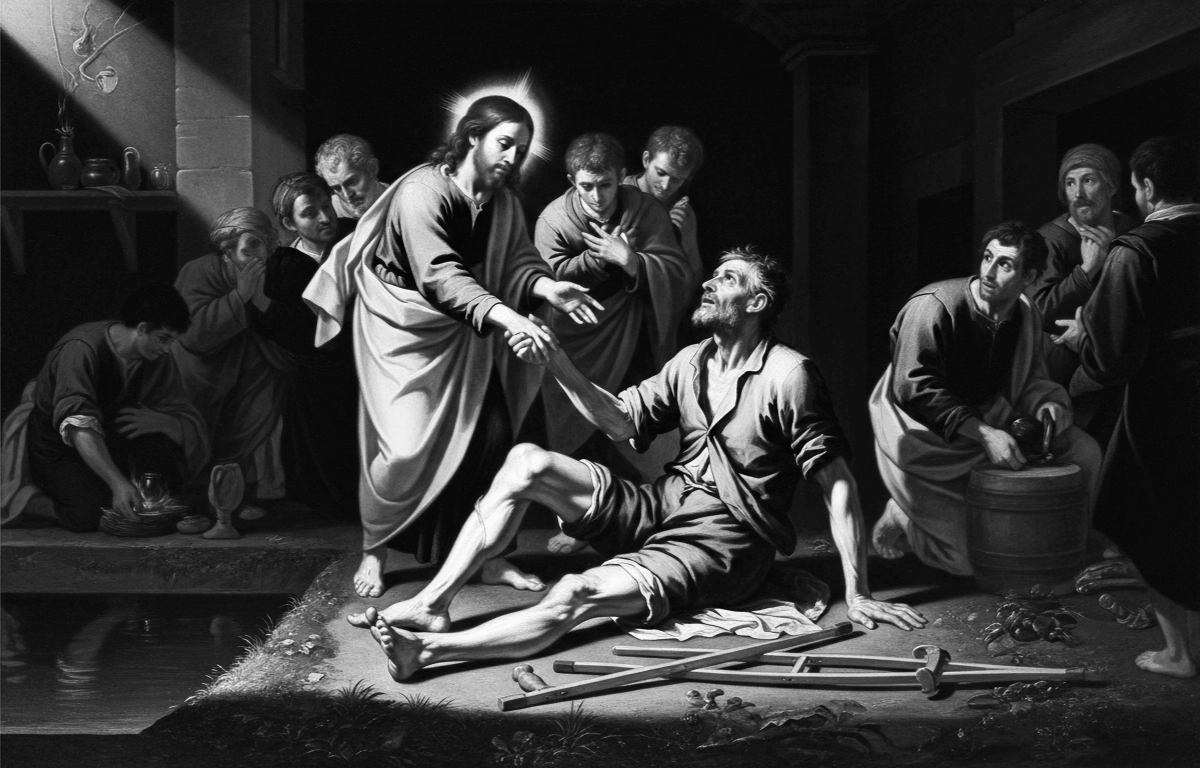
A Final Thought
Through the priest, who acts in the person of Christ, this sacrament reconciles us to God and to the Church. It restores the grace lost by sin, brings peace to our conscience, and gives us the spiritual strength to begin anew.