Holy Orders
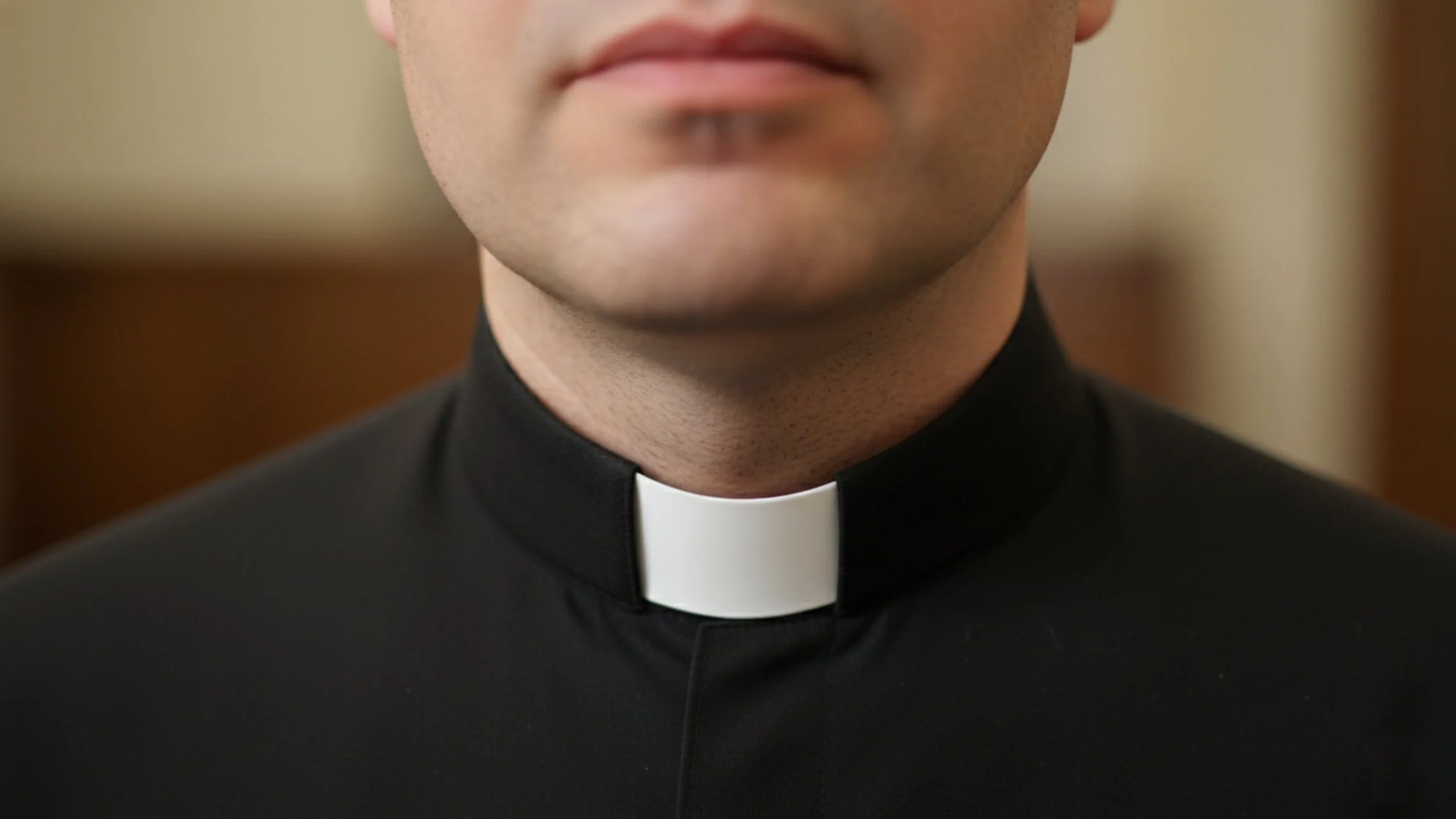
Shepherds for God’s Family
"So I exhort the elders among you... shepherd the flock of God that is among you, exercising oversight, not under compulsion, but willingly, as God would have you." — 1 Peter 5:1-2
Holy Orders is the sacrament of apostolic ministry, the sacred bond through which the mission entrusted by Christ to His apostles continues in the Church today. It is, above all, a sacrament of service. Through the grace of the Holy Spirit, a baptized man is consecrated not for privilege or status, but to lay down his life for the People of God as a deacon, priest, or bishop.
Here at St. Anthony and OLPH, we see this leadership not as power, but as radical self-gift. Those ordained are called to model their lives on Jesus, the Good Shepherd, who came "not to be served, but to serve." They are the ones configured to Christ to feed us with the Word and the Sacraments, ensuring that our parish family is never left without a shepherd.
The Church Teaches: "Holy Orders is the sacrament through which the mission entrusted by Christ to his apostles continues to be exercised in the Church until the end of time: thus it is the sacrament of apostolic ministry. It includes three degrees: episcopate, presbyterate, and diaconate." (Catechism of the Catholic Church, 1536)
The Signs & Symbols
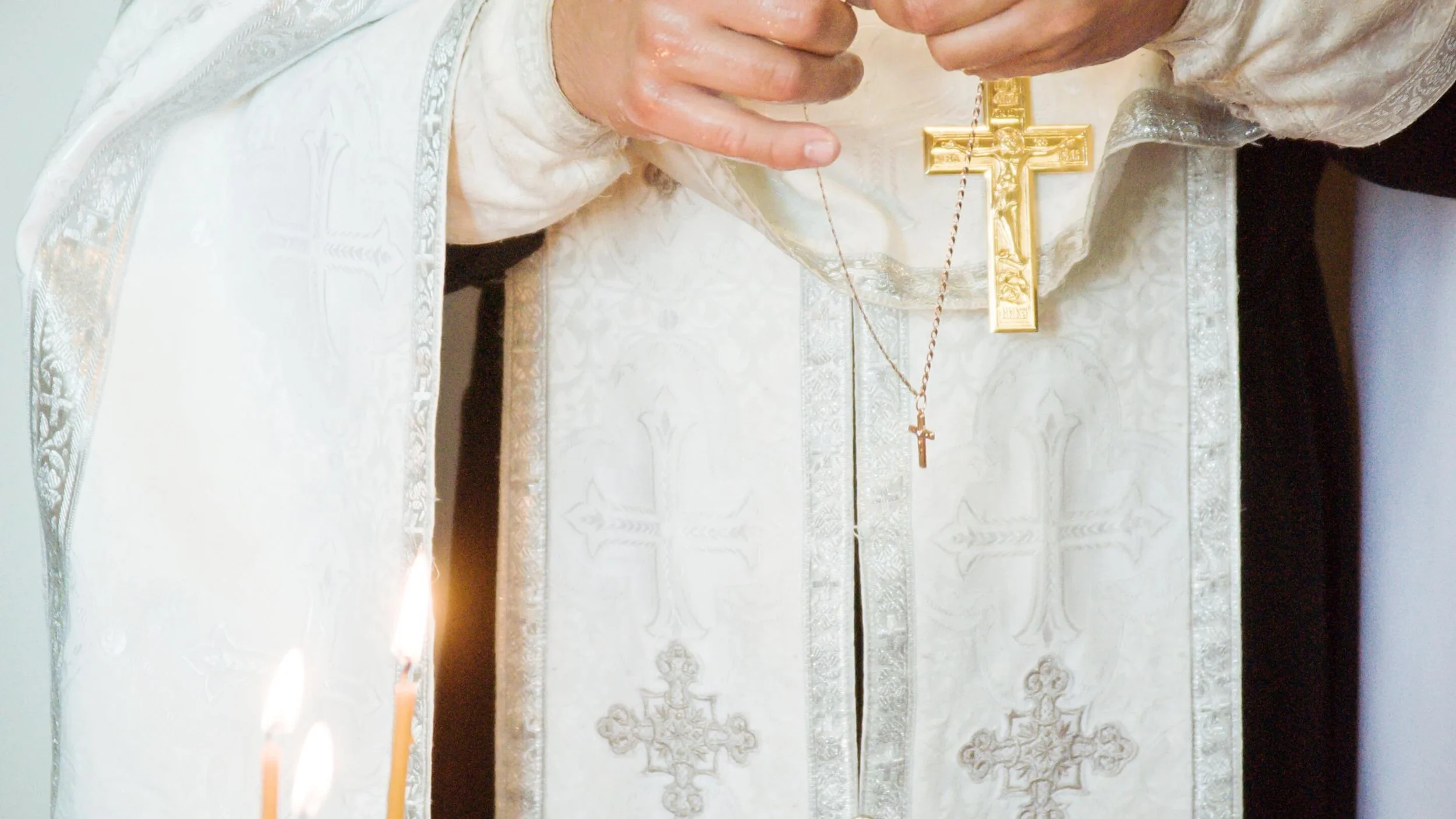
The ordination rite is rich with ancient symbols that express the spiritual reality of the sacrament.
Laying on of Hands: The central act of the sacrament. The Bishop lays his hands on the head of the candidate in silence, invoking the Holy Spirit. This biblical gesture signifies the transfer of spiritual power and the continuity of the apostolic line.
Anointing with Chrism: The hands of the new priest are anointed with sacred oil, signifying that they are now consecrated to bless, to offer the sacrifice of the Mass, and to sanctify the Christian people.
The Chalice and Paten: The Bishop hands the new priest the vessels used for the Eucharist, entrusting him with the duty to offer the sacrifice of the Lord for the people.
The Book of the Gospels: Handed to the deacon, symbolizing his specific mission to proclaim the Gospel of Christ.
Configured to Christ
This sacrament confers an indelible spiritual mark—a character that can never be removed. The recipient becomes a servant of Christ and the Church forever.
In a special way, our priests are given the sacred power to act in persona Christi Capitis ("in the person of Christ the Head"). This means that when our pastor celebrates the Eucharist or offers absolution in the Confessional, it is truly Jesus Himself who is feeding and forgiving us through the ministry of the priest.
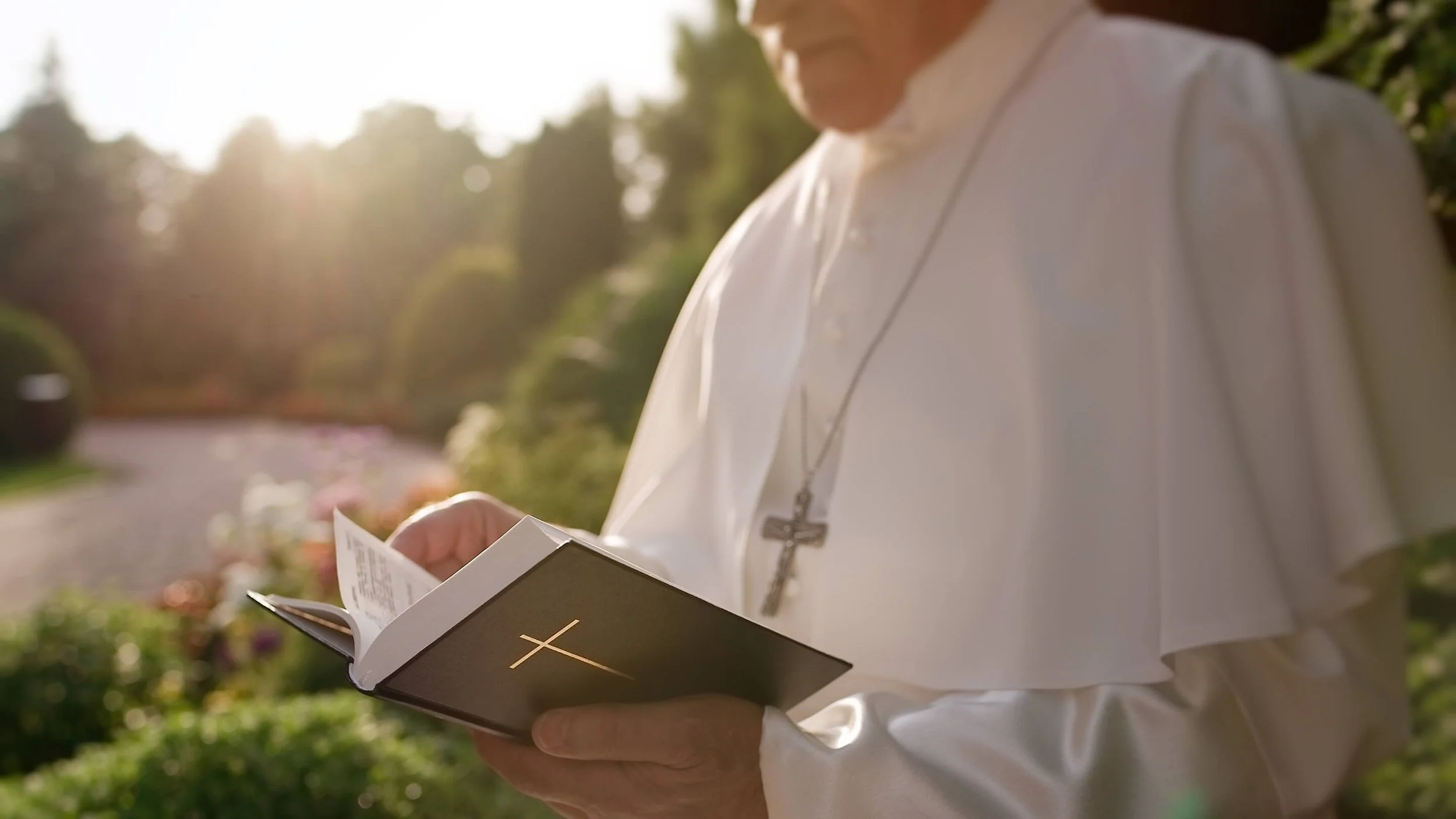
The Three Degrees of Holy Orders
The Episcopate
Bishops
As direct successors to the apostles, bishops receive the fullness of the Sacrament of Holy Orders. This unique grace makes them the chief shepherds of a diocese, responsible for teaching the faith, sanctifying the faithful through the sacraments, and governing the local Church. It is the bishop who ordains new priests and deacons, ensuring the continuation of the apostolic ministry.
The Presbyterate
Priests
As dedicated co-workers with the bishops, priests are ordained to serve the People of God in a particular community. They are entrusted with preaching the Gospel, shepherding the faithful in a parish, and, most essentially, celebrating the sacraments. Through their hands, Christ becomes present in the Eucharist and offers mercy in the Sacrament of Reconciliation.
The Diaconate
Deacons
Deacons are ordained for a special ministry of service, a role rooted in the Greek word diakonia. They are configured to Christ the Servant and have a unique threefold ministry of Word, Liturgy, and Charity. They proclaim the Gospel at Mass, assist the priest at the altar, baptize, witness marriages, and lead the community in works of charity and justice for the poor and vulnerable.
Is God Calling You?
Discerning a vocation to the priesthood or diaconate is a journey of listening to the quiet voice of God. It is not a career choice, but a response to Love.
We encourage the young men of our parish to consider: Is Jesus calling you to be a shepherd for His people? If you feel a stirring in your heart:
Pray: Deepen your friendship with Christ through Mass and Eucharistic Adoration.
Listen: Silence the noise of the world to hear His voice.
Explore: Visit the Archdiocese of San Antonio Vocations Office website for resources.
Would you like to discuss this with Fr. Fidele? Use the Inquiry Form below begin the conversation.
Frequently Asked Questions
-
It means "in the person of Christ." Through the sacrament of Holy Orders, the priest is configured to Christ in such a way that when he performs his sacred duties—especially celebrating the Mass and forgiving sins in Confession—it is Christ Himself who is acting through him (CCC, 1548).
-
No, Holy Orders do not include nuns in the Catholic Church, as the sacrament of Holy Orders can only be conferred on men, not women. Nuns are consecrated religious who take vows of poverty, chastity, and obedience, but they are considered lay people, not ordained clergy. Clergy are men who have received the sacrament of Holy Orders. The relevant reference in the Catechism of the Catholic Church is CCC 1536, which defines Holy Orders and its three degrees: episcopate (bishops), presbyterate (priests), and diaconate (deacons).
-
The Church ordains only baptized men in fidelity to the example of Jesus Christ, who chose only men to be His twelve apostles. The priesthood is a unique participation in the fatherhood of God and the spousal relationship of Christ to the Church, His bride. This teaching is a matter of divine law, not a question of social equality (CCC, 1577).
Ask for Guidance
If you feel God may be calling you to serve the Church, you do not have to walk this path alone. Fr. Fidele is always open to speaking with men who are discerning their vocation. This is a safe space to ask questions and receive guidance with no pressure.
Please use this form to start a confidential conversation.
A Final Thought
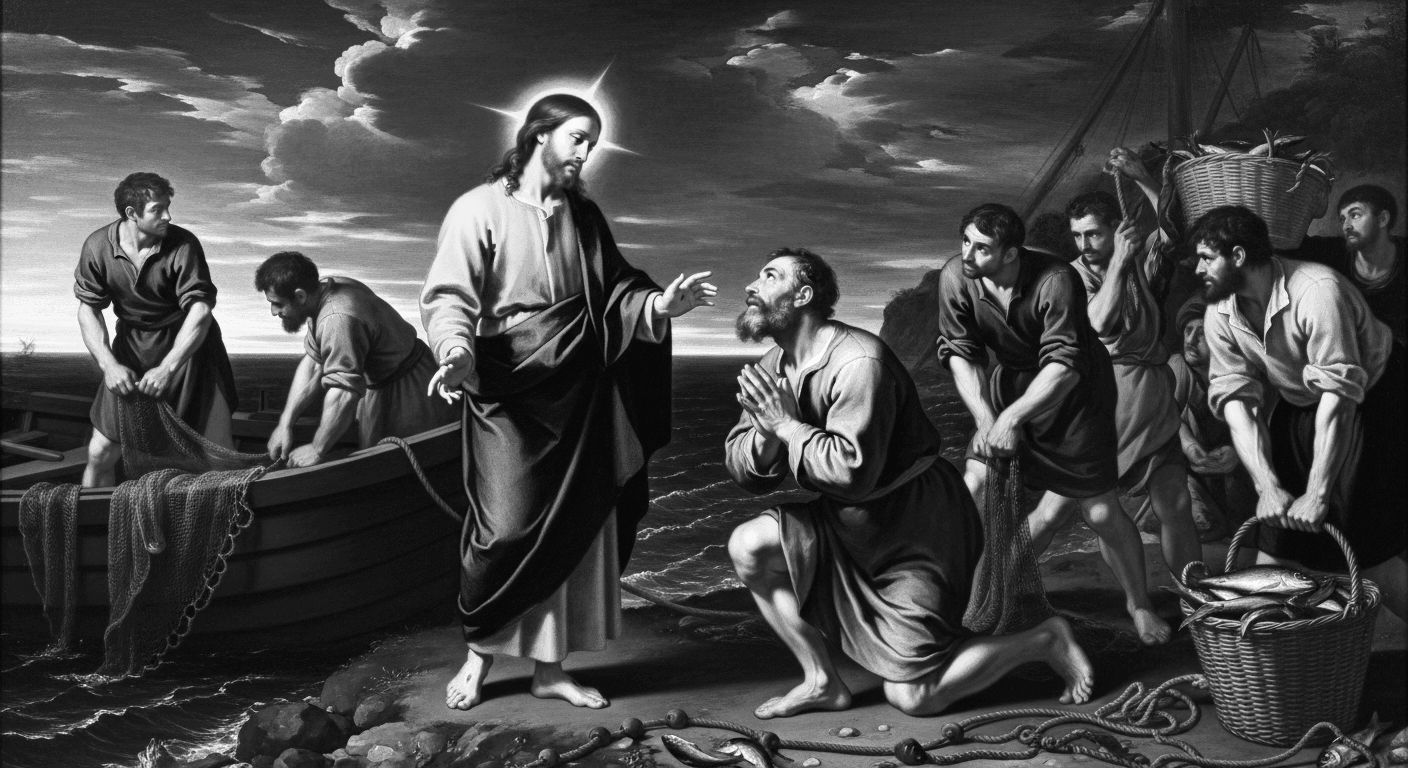
We ask our entire parish family to pray daily for vocations. May God raise up holy men from our own community to serve as priests and deacons, "tending the flock of God" with humble and willing hearts.